Table Base Trends 2026: What's Shaping the Future of Commercial Furniture
Explore 2026 traditional table base trends: heavy-duty durability, minimalist design, sustainable materials, and custom finishes. Find sturdy fixed-base solutions with VVITAL.
Table Base Trends 2026: What’s Shaping the Future of Commercial Furniture
The global market for commercial furniture continues to evolve, and table bases remain a critical component in defining the functionality, aesthetics, and longevity of any interior space. While innovations in adjustable and smart furniture have captured headlines, the vast majority of commercial projects—from restaurants and hotels to corporate offices and educational institutions—still rely on traditional fixed table bases. Why? Because they offer unmatched commercial stability, long-term durability, and cost-effectiveness without the complexity of moving parts or electronic components.
As interior design trends shift toward intentional, comfortable, and design-led environments, the demands placed on commercial table bases are becoming more sophisticated. Buyers are seeking durable table bases that combine visual appeal with robust engineering, and they are increasingly prioritizing materials, finishes, and customisation over gimmicks.
Here are the key table base trends shaping the industry in 2026—all centred on traditional, non-adjustable designs that deliver proven performance.
1. Heavy-Duty Durability for High-Traffic Environments
In commercial settings, durability is non-negotiable. Restaurants, hotels, coworking spaces, schools, and healthcare facilities require heavy-duty table bases that can withstand constant use, spills, impacts, and cleaning chemicals without warping, loosening, or failing.
The trend toward heavy-duty commercial table bases continues to dominate procurement decisions. Buyers are specifying sturdy table bases made from thick-gauge steel, cast iron, or aluminium, with powder-coated or electroplated finishes that resist corrosion and scratching. Load capacities of 150 kg or more are becoming the baseline for dining and conference tables.
2. Minimalist and Sleek Designs
The era of ornate, bulky table bases is fading. Minimalist design—characterised by clean lines, geometric simplicity, and visual lightness—continues to dominate commercial interiors. Minimalist table bases often feature thin profiles, tapered legs, or sculptural forms that create an open, airy feel while providing robust structural support.
This trend is especially visible in conference rooms and collaborative spaces, where reeded and fluted bases have emerged as a leading design choice. The fluted detail adds depth and rhythm, turning the table into an architectural focal point rather than a purely functional object.
Sleek silhouettes across seating and tables reflect a broader movement toward calm, curated environments. Simple forms let texture and materials take centre stage, making commercial spaces feel cohesive and contemporary.
3. Custom Table Bases for Brand Differentiation
As personalisation becomes a competitive advantage, commercial buyers are increasingly opting for custom table bases that reflect their brand identity. Whether through custom colours, integrated logos, special finishes, or unique geometric shapes, custom table bases allow businesses to create distinctive and memorable environments.
This demand is reshaping the supplier landscape. The ability to source high-quality, customisable table bases has become a critical factor for designers and specifiers. Options now include adjustable feet (for levelling, not height change), custom steel grades, shape modifications, and even engraved or laser-cut branding.
4. Sustainability and Eco-Friendly Materials
Sustainability is no longer a buzzword—it is a procurement requirement. The use of recycled metals in the production of table legs and bases has become a key trend, helping reduce environmental footprints while ensuring durability and longevity.
Aluminium, which is 100% recyclable without losing its mechanical properties, is gaining significant traction. Using recycled aluminium in manufacturing reduces energy consumption by up to 95% compared to virgin production. Eco-friendly finishing processes—including water-based UV-cured coatings and bio-based hardwax oils that meet GREENGUARD Gold standards—are becoming industry benchmarks.
Moreover, the most sustainable table base is one that never enters the waste stream. That principle underscores the importance of robust construction and repairable designs that extend product lifecycle.
5. Mixed-Material and Industrial Aesthetics
While minimalism dominates, industrial and mixed-material designs continue to hold strong appeal, particularly in hospitality and creative commercial spaces. Metal table bases—particularly powder-coated steel, brushed iron, and blackened bronze—fit naturally within urban and industrial design aesthetics.
The metal table base has transitioned from a hidden necessity to a bold statement piece. Designers now showcase structural elements as part of their creative vision, with exposed welds, raw finishes, and contrasting textures becoming desirable features.
Material contrast is also a defining trend—the deliberate pairing of materials such as upholstered bases with wood or stone tabletops creates tactile richness and multisensory appeal. This approach emphasises brand storytelling through material choices.
6. Smart Geometry and Structural Innovation
In the absence of electronic or mechanical adjustments, the true innovation in traditional table bases lies in smart geometry—the intelligent design of shapes, angles, and load paths to maximise strength while minimising material use. This principle, central to VVITAL’s philosophy, ensures that every sturdy table base performs with exceptional stability, even under uneven loads or in high-traffic settings.
Advances in computer-aided engineering allow manufacturers to optimise leg profiles, cross-bracing, and base footprints for perfect balance and rigidity. Tapered tubes, splayed legs, and reinforced hubs are examples of geometric solutions that enhance both aesthetics and structural integrity.
7. Advanced Surface Finishes and Texture
Surface finish is increasingly becoming a differentiator for durable table bases. Buyers are moving beyond basic black or silver to explore textured powders, metallic flecks, anti-fingerprint coatings, and even soft-touch finishes that enhance the tactile experience.
For outdoor or semi-outdoor commercial spaces, weather-resistant finishes with high UV and corrosion resistance are in high demand. In indoor settings, matte and satin finishes are preferred over high-gloss for their ability to hide fingerprints and daily wear.
Why VVITAL Is Your Partner for Traditional Table Bases
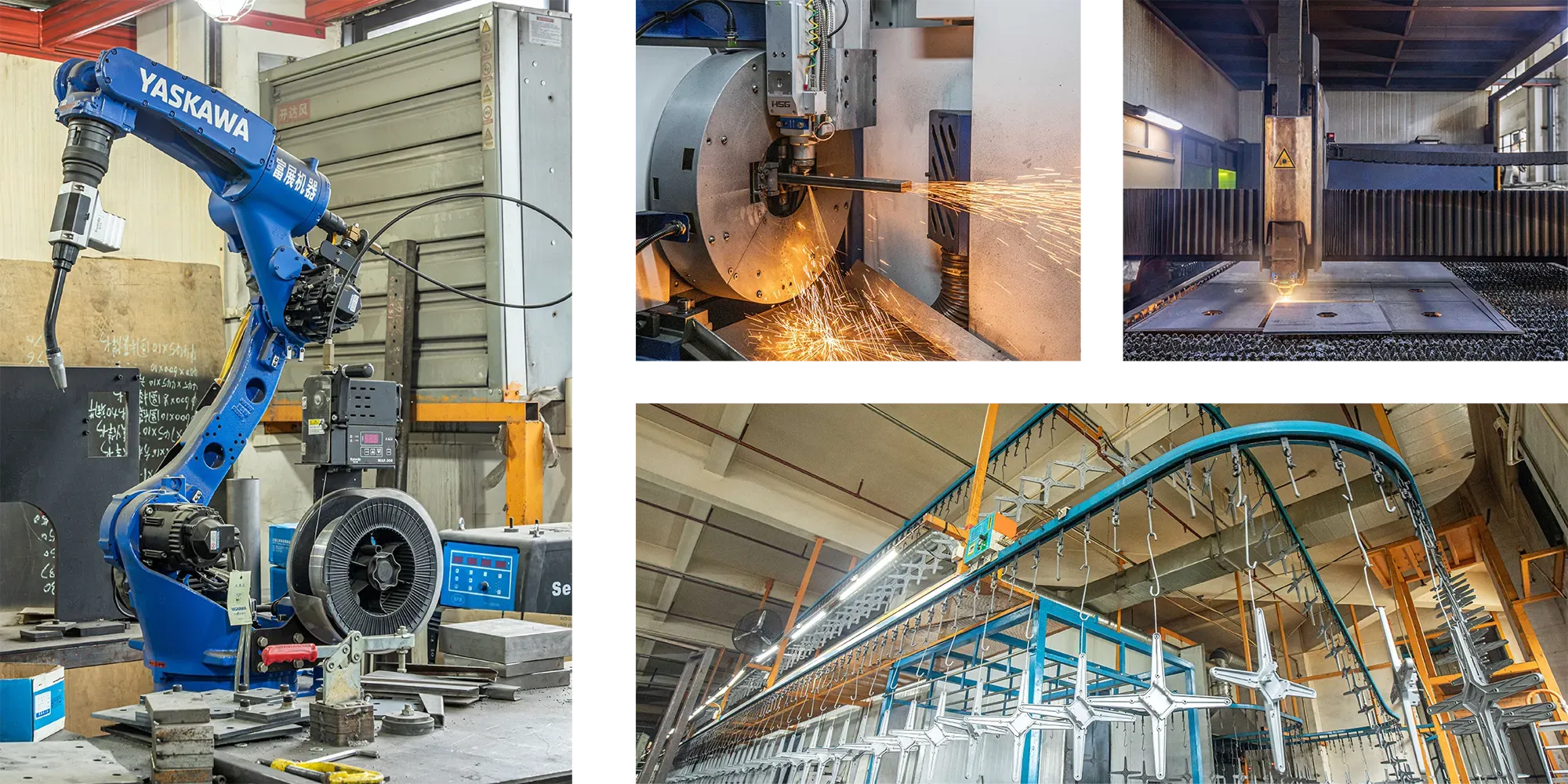
At VVITAL, we build table bases that outlast trends—and we do it without unnecessary complexity. Based in our Foshan manufacturing facility, we produce durable table bases, tabletops, and complete tables engineered for commercial stability and precision.
Our manufacturing principles are straightforward:
- Robust construction – Every heavy-duty table base we produce is welded, finished, and tested to withstand the rigours of daily commercial use.
- Smart geometry – Our designs prioritise structural integrity and aesthetic versatility, ensuring our modern table bases perform flawlessly in any setting—without motors, batteries, or buttons.
- Transparent sourcing – We believe in honesty about materials and processes, so you know exactly what you’re specifying.
Whether you need custom table bases, metal table bases, or sturdy table bases for a demanding commercial project, VVITAL delivers no‑nonsense quality for everyday use.